In short
- About 3 hours, at an easy pace with stops
- From €30 per person, entrance tickets not included
- Perfect for: Shoppers and curious visitors who want to see how things are made and not feel pushed to buy.
- Leather souk and how the skins are tanned and finished
- Metalworkers, lantern makers and woodcarvers at work
- A licensed local guide, no commission shops, and you pay on the day
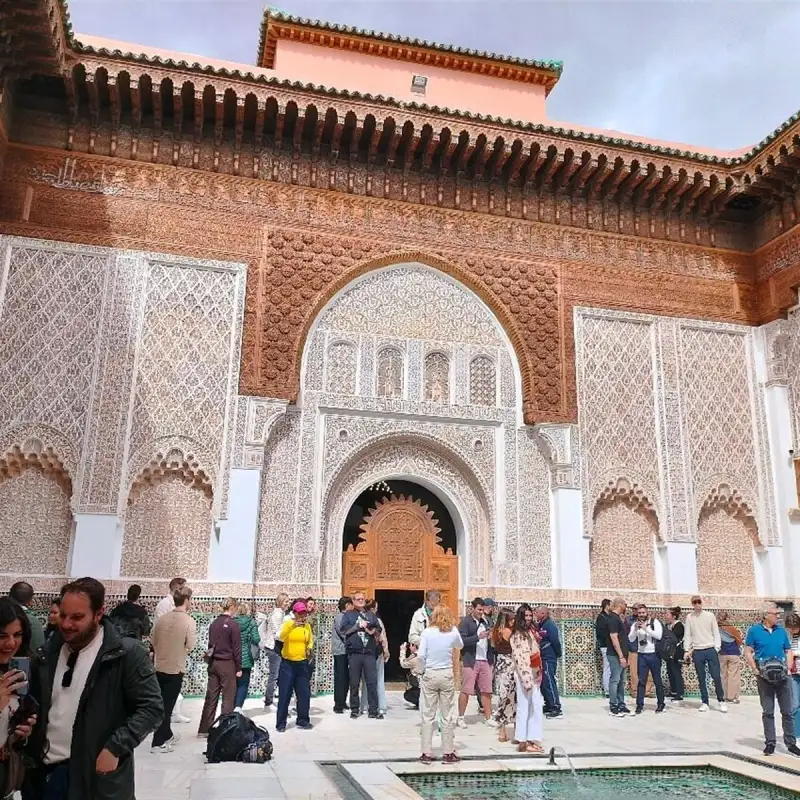
A Marrakech souk tour turns a loud, confusing market into a place you can enjoy. The covered lanes hold hundreds of stalls, and it is hard to tell craftsmen from resellers. A local guide shows you the difference and keeps the visit relaxed.
You watch leather, metal and wool being worked, and you learn what a fair price looks like. If you want to buy, your guide helps. If you only want to look, that is fine too.
1What a Marrakech souk tour shows you
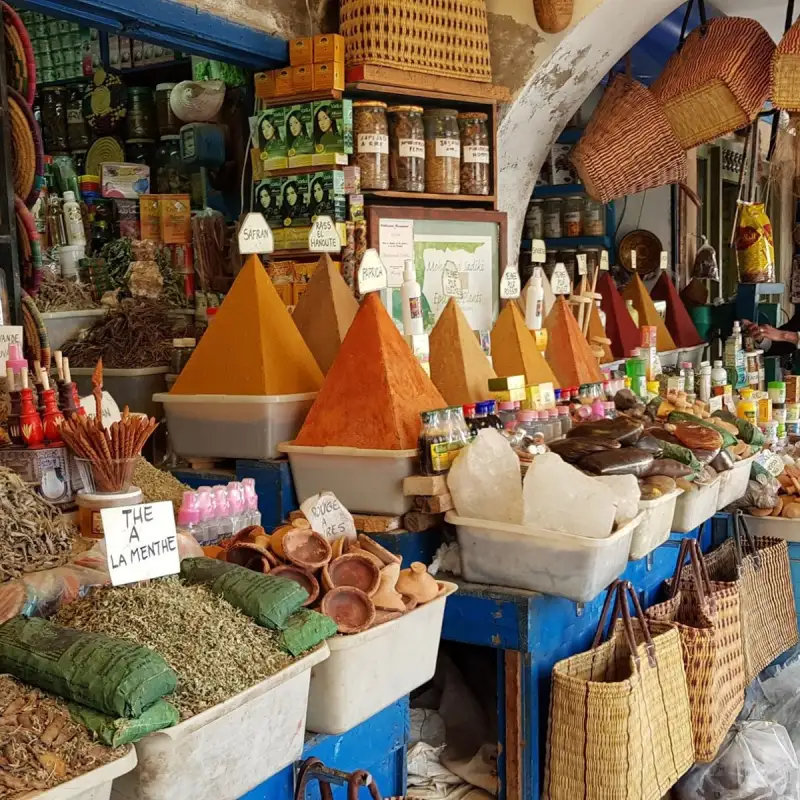
The souks are organised by trade. You walk from spices to leather to metal, and your guide explains how each craft works. You see tools, hear hammers and smell tanned leather and cedar.
This helps you judge quality. For example, your guide shows you stitching on a bag, the weight of a brass lantern and how to tell real saffron from a cheap copy. After that, shopping feels simpler.
Shopping in the souks without pressure
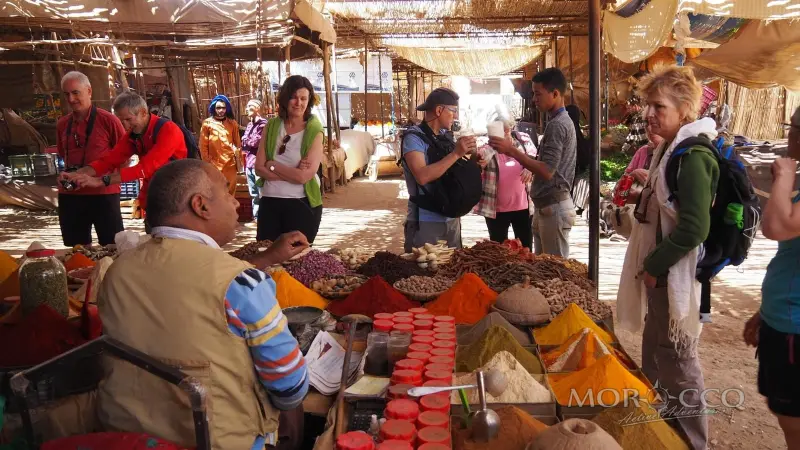
Many visitors feel nervous about haggling or being pulled into a shop. Calls and invitations are part of the market, and most sellers are polite. Still, a stranger offering to lead you to a good shop often earns a commission.
Your guide does not work that way. We do not take commission from shops, so you are never taken to a stall for a quota. You choose where to stop, and you can leave at any time without awkwardness.
3Bargaining and fair prices
Bargaining is normal, and it should be friendly. Your guide explains the rhythm: ask the price, make a lower offer, move up slowly and smile. If the price does not suit you, thank the seller and walk on.
Your guide also tells you what is fair. Prices depend on materials and work, so a hand-stitched bag costs more than a machine-made one. Therefore, you know when a price is reasonable and when to say no.
Your local souk guide
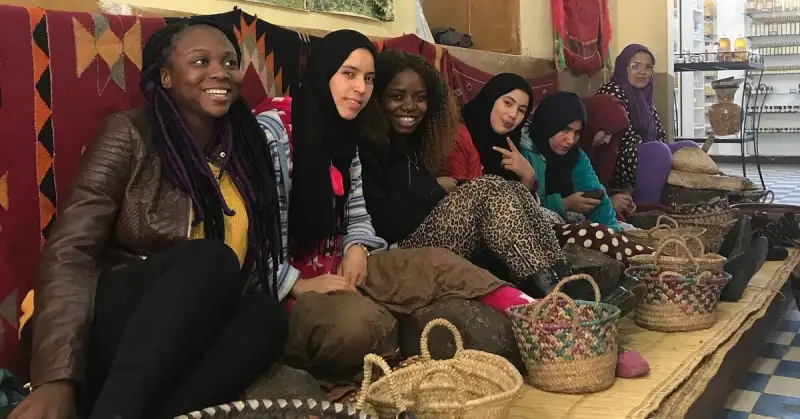
Your guide is licensed, local and familiar with the artisans. They speak clear English and know which workshops make things by hand. They introduce you to people who are happy to be watched.
They are also honest about the limits. Not everything in the souk is handmade, and not every tourist item is poor. Your guide helps you see which is which, and never pushes a purchase.
Practical tips for the souks
Wear comfortable shoes and light clothes, and keep your bag closed. Carry small notes, because change can be hard to find. Mornings are calmer and cooler, while late afternoon is busier but more atmospheric.
Allow about three hours. The lanes are crowded and uneven, so a pushchair or wheelchair is difficult. If you plan to buy bulky items, ask your guide about shipping before you pay.